
Compare Local Contractors for Effective Mold Prevention Solutions
Compare local contractors for mold prevention to define project scope, verify experience, and set clear expectations for effective, reliable property protection.
Contractors specializing in mold prevention typically offer a range of services aimed at identifying and reducing the risk of mold growth within a property. These services may include thorough inspections to detect existing moisture issues, recommendations for controlling humidity levels, and applying treatments or barriers designed to prevent mold from developing in vulnerable areas. Proper mold prevention work often involves evaluating the property's ventilation, addressing leaks or water intrusion points, and implementing strategies that maintain a dry environment over time. Understanding the scope of these services helps property owners ensure that the work addresses both immediate concerns and long-term prevention.
Defining the scope of mold prevention work is essential to establish clear expectations and ensure the chosen contractor’s approach aligns with the property's specific needs. A well-outlined scope should specify the areas to be inspected, the types of treatments or interventions to be used, and any follow-up measures or maintenance recommendations. Having this clarity helps prevent misunderstandings and ensures that all parties agree on what is included in the project. It also provides a basis for comparing different service providers, making it easier to evaluate their experience and approach to similar projects in the local area.
Property owners can effectively compare local contractors by reviewing their experience with mold prevention projects similar in scope and size. It’s important to verify that contractors understand local building conditions and common moisture issues relevant to the area. When evaluating service providers, consider how thoroughly they define their work scope in writing, as this document serves as a reference point for the project’s expectations. Asking about their process, the methods they recommend, and how they tailor solutions to the property’s specific situation can help identify the most suitable contractor. This approach ensures that property owners can make informed decisions based on the contractor’s expertise and the clarity of their proposed scope of work.
Compare local contractors by outlining your priorities, verifying experience, and clearly defining scope and expectations in writing.
- Compare Contractor Experience - Review the background and expertise of local contractors to ensure they have relevant mold prevention experience.
- Define Project Scope Clearly - Establish and document the specific mold prevention tasks to be performed before work begins.
- Verify Service Provider Credentials - Confirm the qualifications and reputation of local contractors through reviews and references.
- Set Written Expectations - Ensure all project details, responsibilities, and standards are documented to prevent misunderstandings.
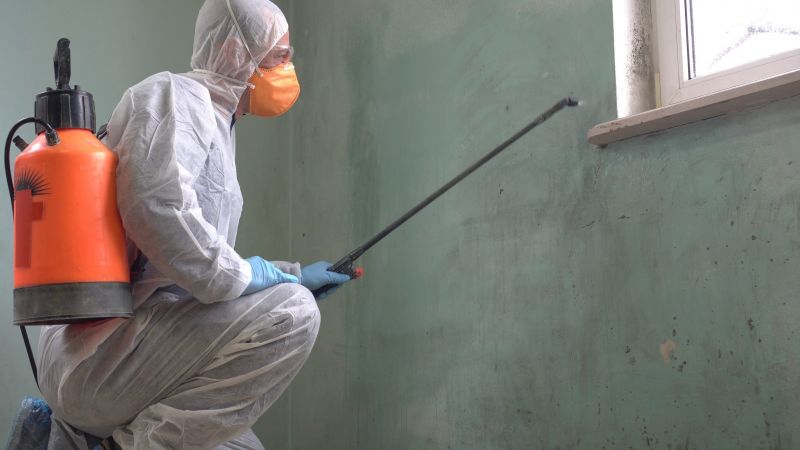
Compare local contractors by clearly describing your mold prevention project, defining the scope, verifying experience, and setting expectations in writing.
- Inspect for existing mold or signs of moisture buildup in affected areas to identify potential problem spots for local contractors to address.
- Verify that contractors assess and identify sources of excess humidity or water intrusion before beginning mold prevention measures.
- Ensure scope of work includes proper sealing of leaks, ventilation improvements, and moisture control strategies to prevent future mold growth.
- Check that service providers evaluate indoor air quality and recommend appropriate mitigation steps to reduce mold spores.
- Confirm that contractors provide clear, written plans outlining mold prevention techniques and maintenance recommendations for ongoing protection.
- Compare local contractors based on experience with mold prevention projects and their approach to moisture management to ensure effective results.
Compare local contractors’ experience and clarify scope to ensure effective mold prevention solutions.

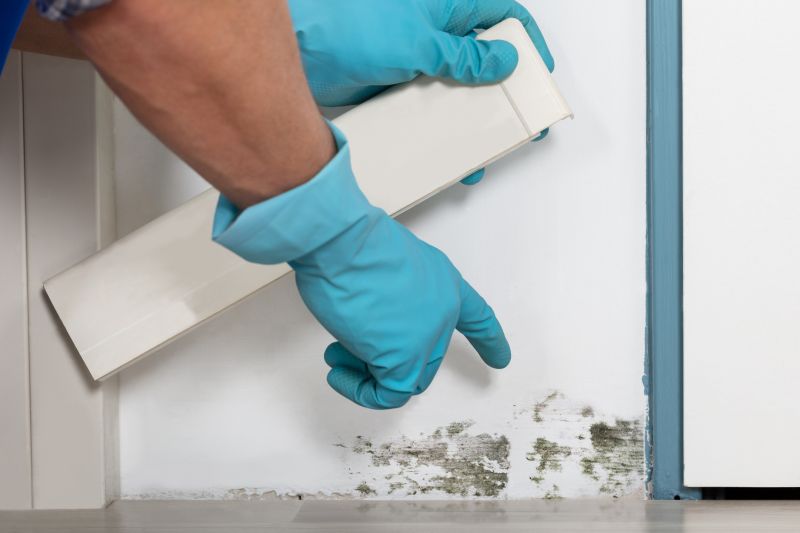
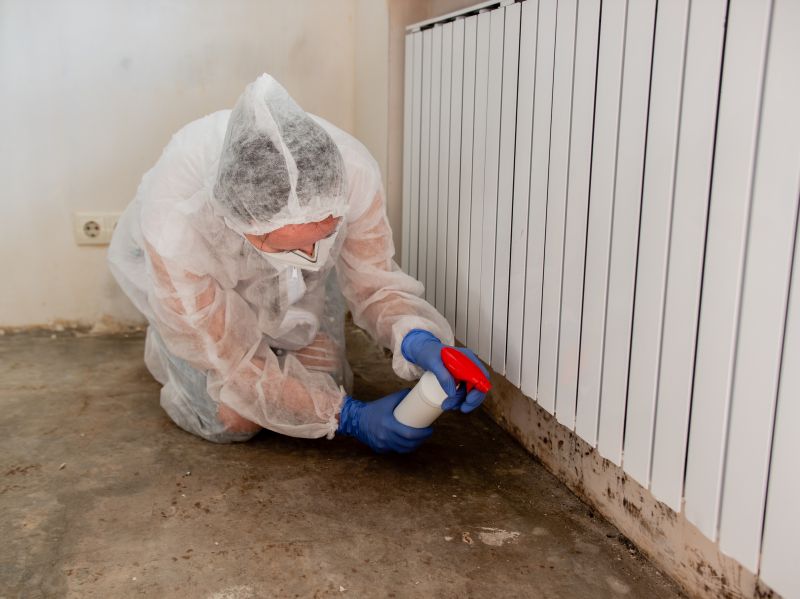
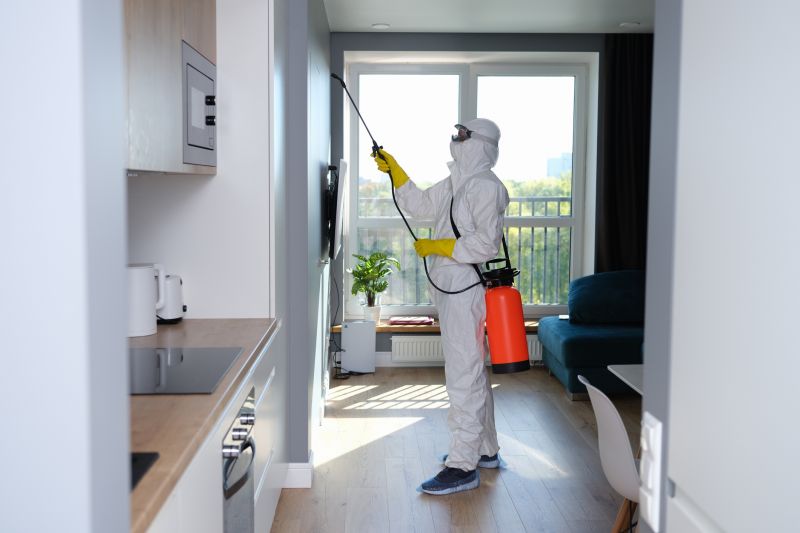
Use clear, consistent criteria to compare local contractors' scope, experience, and written expectations for mold prevention.
- Identify Mold Prevention Goals - clearly define the specific mold prevention objectives for the property.
- Assess Contractor Experience - verify that local contractors have relevant experience in mold prevention methods.
- Specify Scope of Work - outline the detailed tasks and responsibilities included in the mold prevention process.
- Establish Communication Expectations - set clear expectations for how scope, procedures, and results will be documented in writing.
- Compare Service Offerings - evaluate different local service providers based on scope, experience, and approach to mold prevention.
When comparing contractors for mold prevention, it’s important to evaluate their experience with similar projects. Homeowners should inquire about the types of properties and environments the service providers have worked on, ensuring they have relevant background in managing mold risks in settings comparable to the home. A contractor with a history of addressing mold issues in residential spaces similar to the property in question is more likely to understand the specific challenges and effective strategies needed for successful prevention.
A clear, written scope of work is essential for setting proper expectations and ensuring all parties are aligned on the project’s objectives. Homeowners should seek detailed descriptions of the services to be performed, including the methods used for mold prevention, the areas to be treated, and any recommended follow-up steps. Having this information documented helps prevent misunderstandings and provides a basis for evaluating whether the contractor’s approach aligns with the homeowner’s needs and concerns.
Verification basics involve confirming that a contractor’s experience and approach are appropriate for the project, as well as understanding their process for quality assurance. Homeowners can ask how the service provider plans to assess the property’s specific risks, what measures they will implement to prevent mold growth, and how they verify the effectiveness of their work. While the site does not perform inspections or certifications, encouraging service providers to explain their verification methods helps ensure the chosen contractor employs sound practices.
Evaluating options without focusing on prices involves reviewing the qualifications, scope, and methodology of each service provider. Homeowners should compare the clarity of the scope of work, the relevance of the contractor’s experience, and the thoroughness of their verification procedures. Asking service providers to explain their process and approach allows homeowners to make informed decisions based on the quality and suitability of the proposed services. This approach helps identify the most capable local contractors to handle mold prevention effectively.
Ask contractors to provide written scope details to ensure clarity and consistency throughout the mold prevention process.
- Experience with Mold Prevention - How can contractors demonstrate their experience in mold prevention projects?
- Scope of Work - What specific tasks and services are included in the mold prevention scope offered by different contractors?
- Materials and Methods - How do service providers plan to address moisture control and mold-resistant materials during the job?
- Warranty and Follow-up - What guarantees or follow-up procedures do contractors provide after completing mold prevention work?
- Communication and Expectations - How will contractors define project expectations and ensure clear communication throughout the process?
What should I consider when choosing a contractor for mold prevention? It's important to compare local contractors based on their experience, scope of services, and reputation. Verifying their background and ensuring clear communication about the work can help set proper expectations. Defining the scope of work in writing ensures all parties are aligned. Look for contractors who provide detailed proposals outlining the tasks involved. Checking references or reviews can also provide insight into their reliability. Clear documentation helps prevent misunderstandings during the project.
How can I verify a contractor’s experience with mold prevention? You can ask contractors about their previous work related to mold prevention and request references or case studies. Reviewing their portfolio or experience with similar projects can provide confidence in their capabilities. Ensure they understand the specific needs of your property and can explain their approach. Confirm that they are familiar with proper mold prevention techniques and standards. Gathering this information helps ensure the contractor has relevant experience for your project.
What is the importance of defining the scope of work in writing? A written scope clearly outlines the tasks, responsibilities, and expectations for the mold prevention project. It helps prevent misunderstandings and ensures all parties agree on what will be done. Having documentation also provides a reference point if questions or issues arise later. Clearly defining the scope can include details about inspection, treatment, and preventative measures. This clarity supports a smoother process and better results.
How can I compare different contractors for mold prevention services? Comparing contractors involves reviewing their experience, scope of services, and reputation. Look for detailed proposals that specify the work to be done and the methods used. Check references or reviews to gauge their reliability. Consider how well they understand your needs and whether their communication is clear. Gathering multiple quotes and scope descriptions allows for an informed comparison to select the most suitable service provider.
What questions should I ask a contractor before hiring for mold prevention? Ask about their experience with similar projects, the methods they use for mold prevention, and how they define the scope of work. Inquire about their approach to identifying problem areas and implementing preventative measures. Clarify how they document the project and communicate progress. Request details on how they handle unexpected issues or changes during the work. These questions help ensure the contractor’s approach aligns with your expectations.
Why is it important to set clear expectations in writing for mold prevention work? Clear expectations documented in writing help ensure all parties understand the scope, responsibilities, and standards for the project. It reduces the risk of misunderstandings and provides a basis for accountability. Written agreements can cover specific tasks, materials used, and methods to be employed. This clarity supports a more organized process and can contribute to a successful outcome for mold prevention efforts.
Understanding the key aspects of mold prevention services can help in making informed decisions. Visitors learned how to define the scope of work, verify the experience of local contractors, and set clear expectations in writing. This approach ensures a thorough comparison of options among nearby service providers, making it easier to find the right match for specific needs.
Taking the time to compare local contractors for mold prevention allows for a clearer understanding of the services offered and the experience of each provider. Using the quote form can help identify which service providers are best suited to handle the job, providing a straightforward way to connect with professionals capable of addressing mold prevention effectively.